
























































































































































Offline Exploit Resources
Initial Checks
Check all processes running as root, or privileged users. Try identifying the version number of the program executed.
ps aux | grep '^root^'
Try running the program with the --version or -v command line option to check the version number.
<program> --version
<program> -v
On debian-like distros, dpkg can show installed programs and their versions
dpkg -l | grep <program>
On systems using rpm, the following achieves the same
rpm -qa | grep <program>
SearchSploit
Update for most recent exploits
sudo apt update && sudo apt install exploitdb
Example checking for Windows SMB exploits
searchsploit remote smb microsoft windows
Copy exploits with -m
searchsploit -m windows/remote/48537.py
nmap NSE scripts
Example nmap command using a script
nmap --script http* -sC -sV IP
Get help on a specific script
nmap --script-help=clamav-exec.nse
Compilation
sudo apt-get install gcc-multilib
sudo apt-get install libx11-dev:i386 libx11-dev
gcc 624.c -m32 -o exploit
Port Forwarding
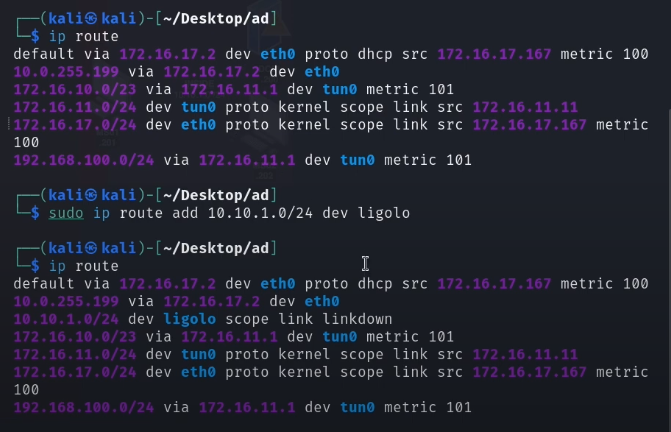
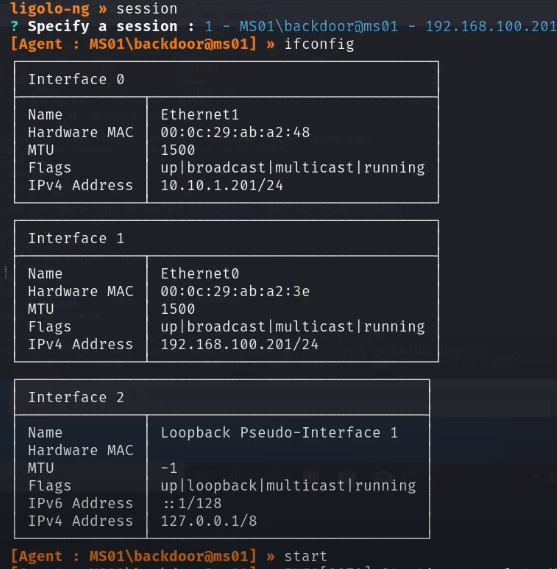
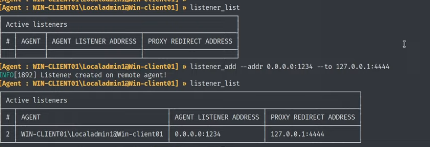
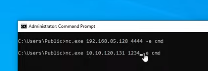
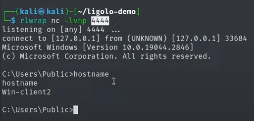
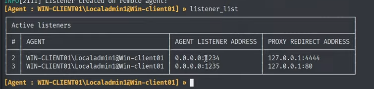
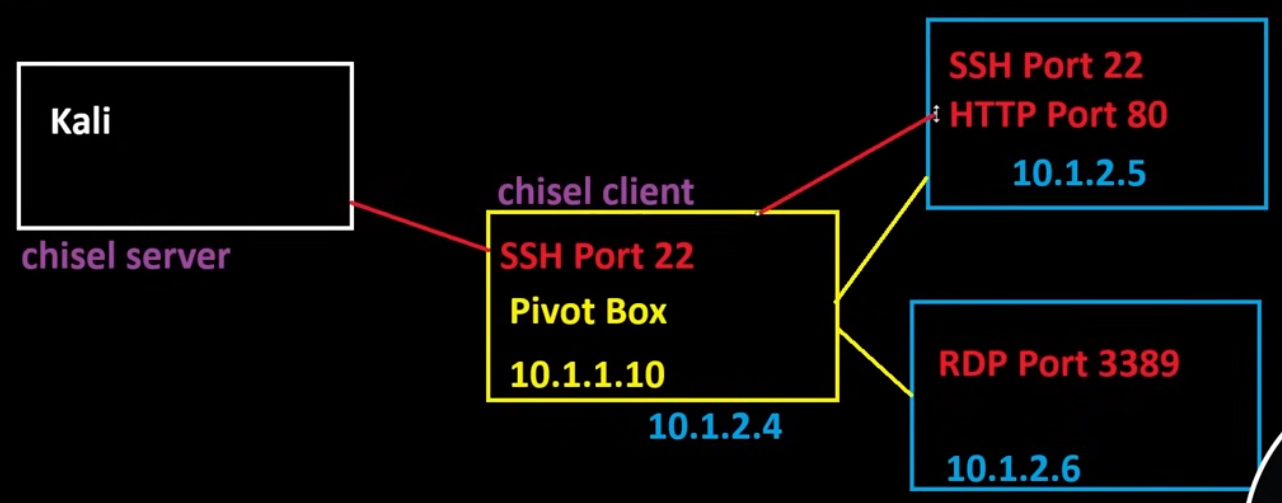
In some instances, a root process may be bound to an internal port through which it communicates. If the exploit cannot be run locally on the target, it's worth port forwarding to the machine. See more on this at 19.1 - Port Forwarding with Linux Tools and 20.1 - Ligolo Port Forwarding.
Check the service local port
netstat -nl
ssh -R <local-port>:127.0.0.1:<service-port> <username>@<local-machine>
Example command if forwarding to ssh through port 4444
mysql -u root -h 127.0.0.1 -P 4444